
The curriculum is packed with knowledge – we are usually confronted with a choice: do I teach each concept deeply, or do I aim for a superficial understanding of much more? Do I choose An Inch Thick and a Mile Wide or Deep but Narrow knowledge?
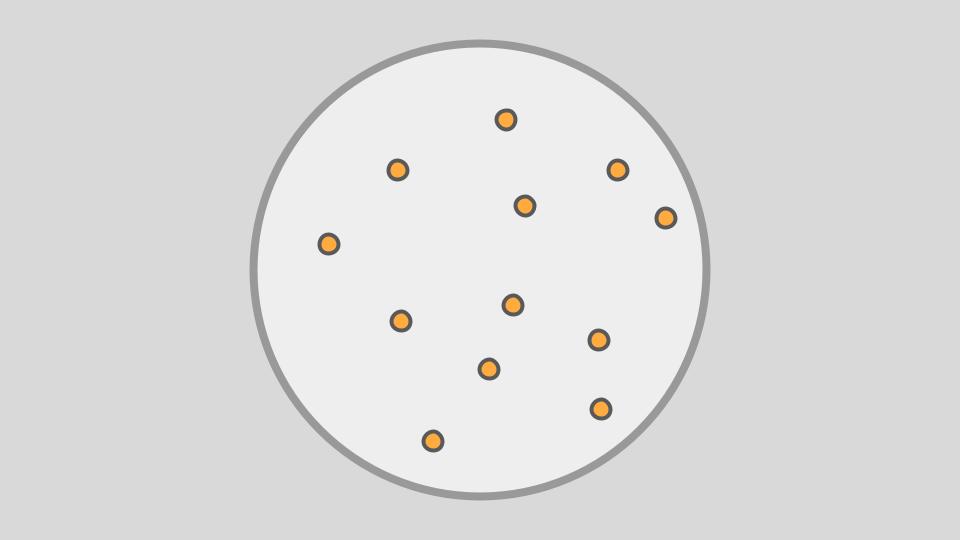
The domain of knowledge we could choose (the grey circle) and the curriculum we actually teach (orange circles).
Choices have to be made – we can’t teach everything a person would benefit from knowing. So we design a curriculum. If a teacher chooses to present the knowledge themselves, there isn’t time to go beyond the curriculum.
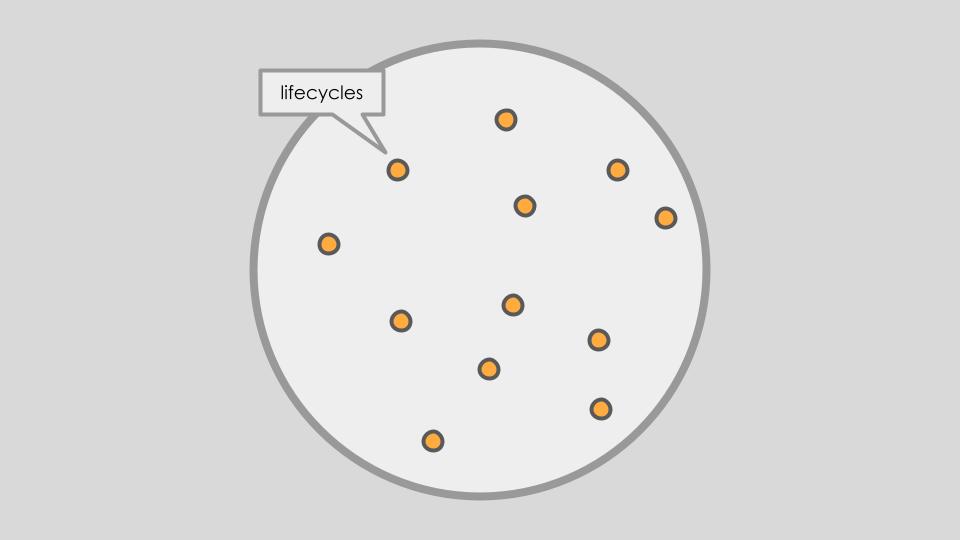
Let’s say it’s a KS2 science lesson on life-cycles. There are typically three animals we choose to illustrate the full range of possibilities: frogs, butterflies and birds.
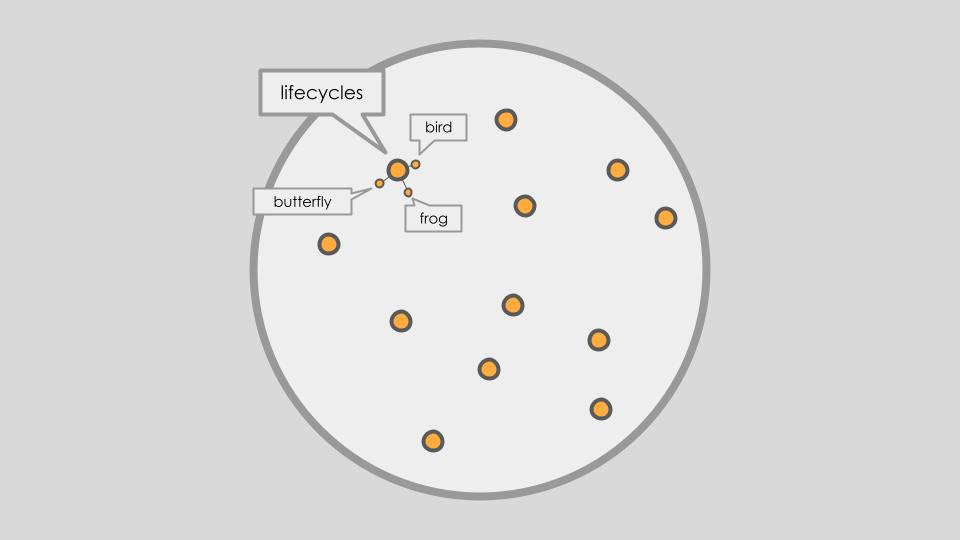
This is fine, but the more examples a pupil is exposed to, the richer their understanding.
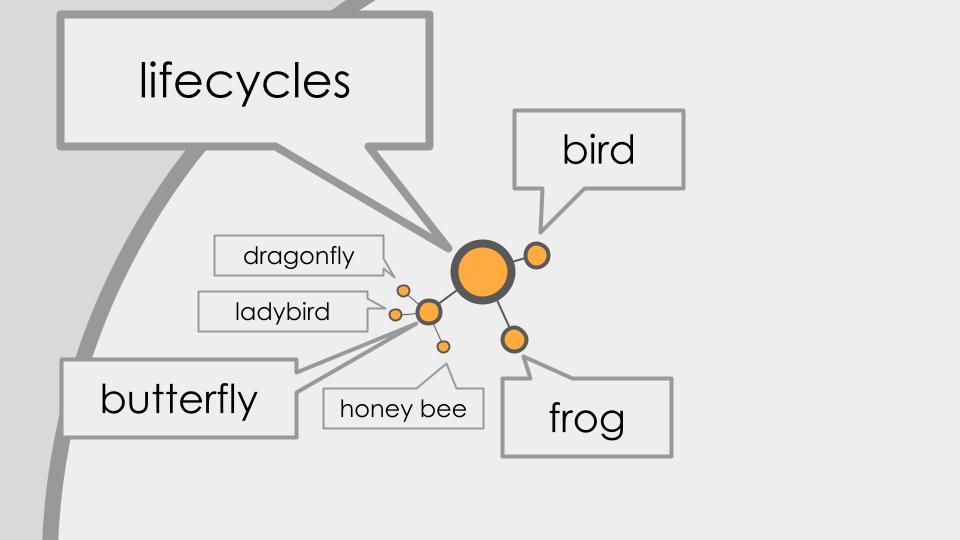
This is where reading comes in. If you teach the core examples, then the pupils will have sufficient knowledge to comprehend the others through reading. You could do this with a series of quick read-alouds or my new favourite: Rich and Connected Microtexts. Each microtext is virtually the same as the others except for the example chosen. Pupils, in groups of 3 or 4, read a microtext aloud to the others in their group, who then have to either:
- summarise it (“In other words…”),
- ask a question about it (“I wonder…”) or
- predict what the next text will be about (“I predict…”).
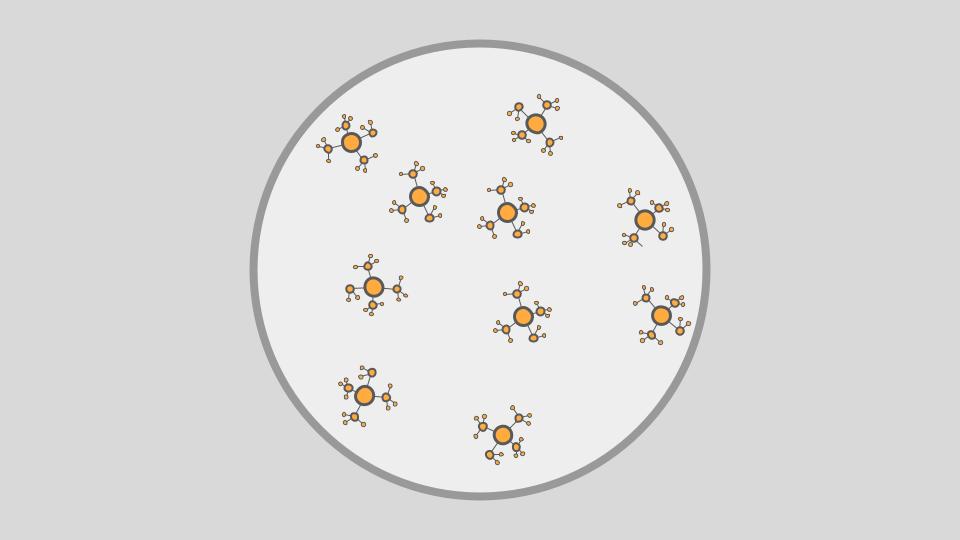
Eventually, your pupils will have studied a couple of examples in depth, and supplemented their knowledge through rich and connected reading; their knowledge will be an inch deep and a mile across and deep in places.
Ben

 Reading for Learning